Stop Negative Change Through Action
Join a group of like-minded individuals committed to protecting valuable grade 3b and grade 4 farmland from industrial solar energy and battery storage development in the countryside.
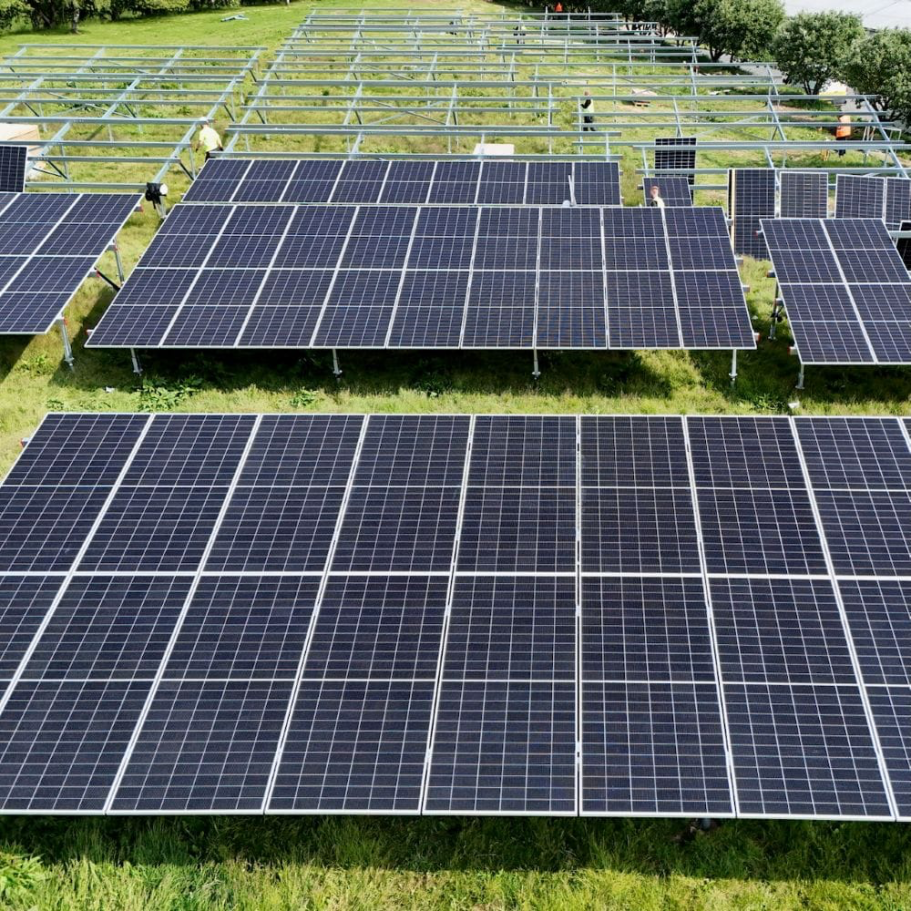
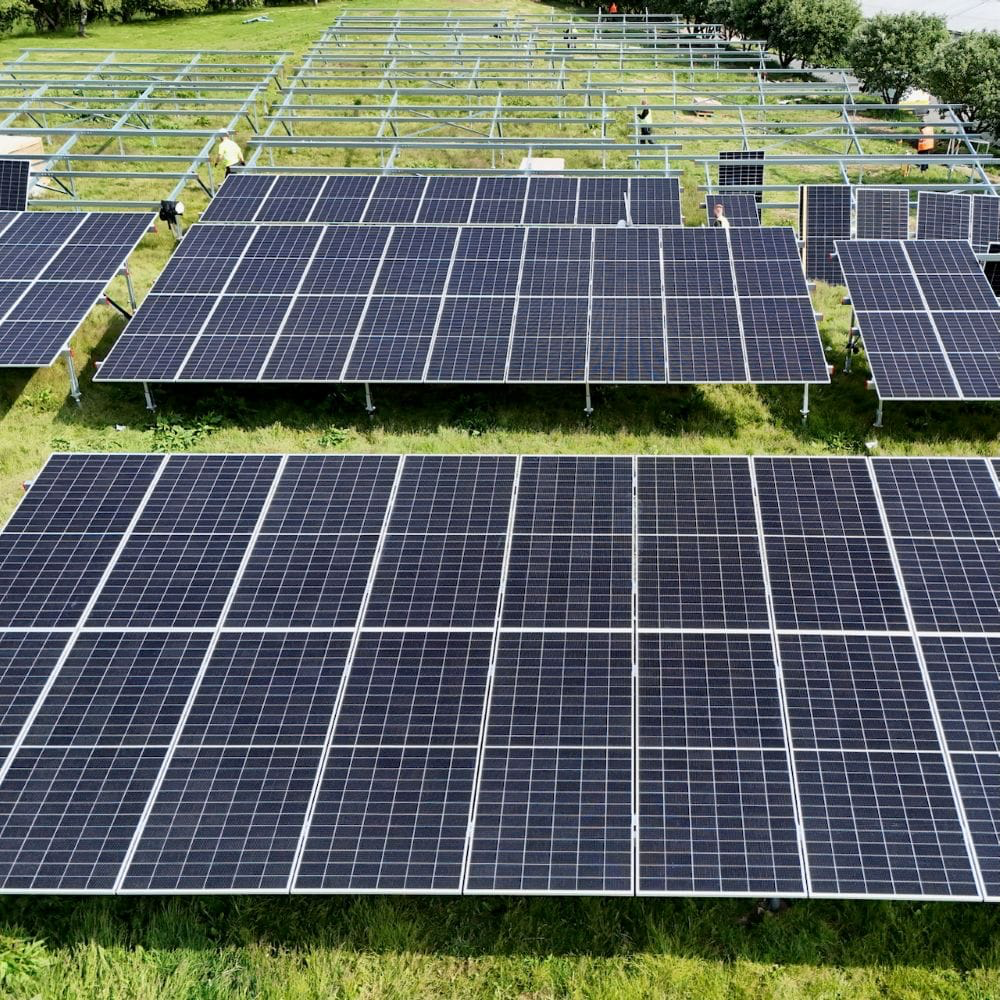
Solar.
What's the story?
A planning application to turn 270 acres of quality farm land into a Solar panel development and BESS (Battery Energy Storage System) has been submitted. Bulworthy is the most rural, scenic backwater imaginable and it is only its proximity to Alverdiscott National Grid sub - station that, along with existing Solar panel developments that makes it so vulnerable to industrialisation.
Taken from the objection to the planning application made by CPRE (Campaign to rotect Rural England) sums up what we face.
Why are we objecting to Solar Power Stations?
Pathos
We believe that a holistic approach to renewable energy is vital for a sustainable future, which includes investment in solar. However, such developments should be appropriately located: “roofs before rural”, contaminated sites, industrial land, brownfield sites, adjacent to motorways, railways, etc, and not on agricultural farmland, within the heart of rural North Devon.
We believe such a development would engulf our communities, causing significant safety and pollution risks, as well as visual and audible harm to residents, businesses and wildlife. The main entrance is on a single track road without pavement regularly used by walkers, children going to and from school, joggers, ramblers, horse riders, dog walkers, cyclists, etc., daily - come rain or shine!
Our North Devon area is a well known holiday destination, attracting invaluable tourist expenditure, supporting many small local businesses and residents. The accumulative effect of industrial, utility-grade solar power stations, would simply dwarf the landscape and add to the massive impact on the local area (which is in an AONB area). There is concern that it would also threaten the tourist industry that many businesses, and associated employees have come to rely upon. We believe that North Devon has already taken more than its fair share of Industrial Scale Infrastructure.
This is not an issue of opposing renewable energy; it's about protecting our land, environment, and future from corporate profit motives that put our rural areas at risk.
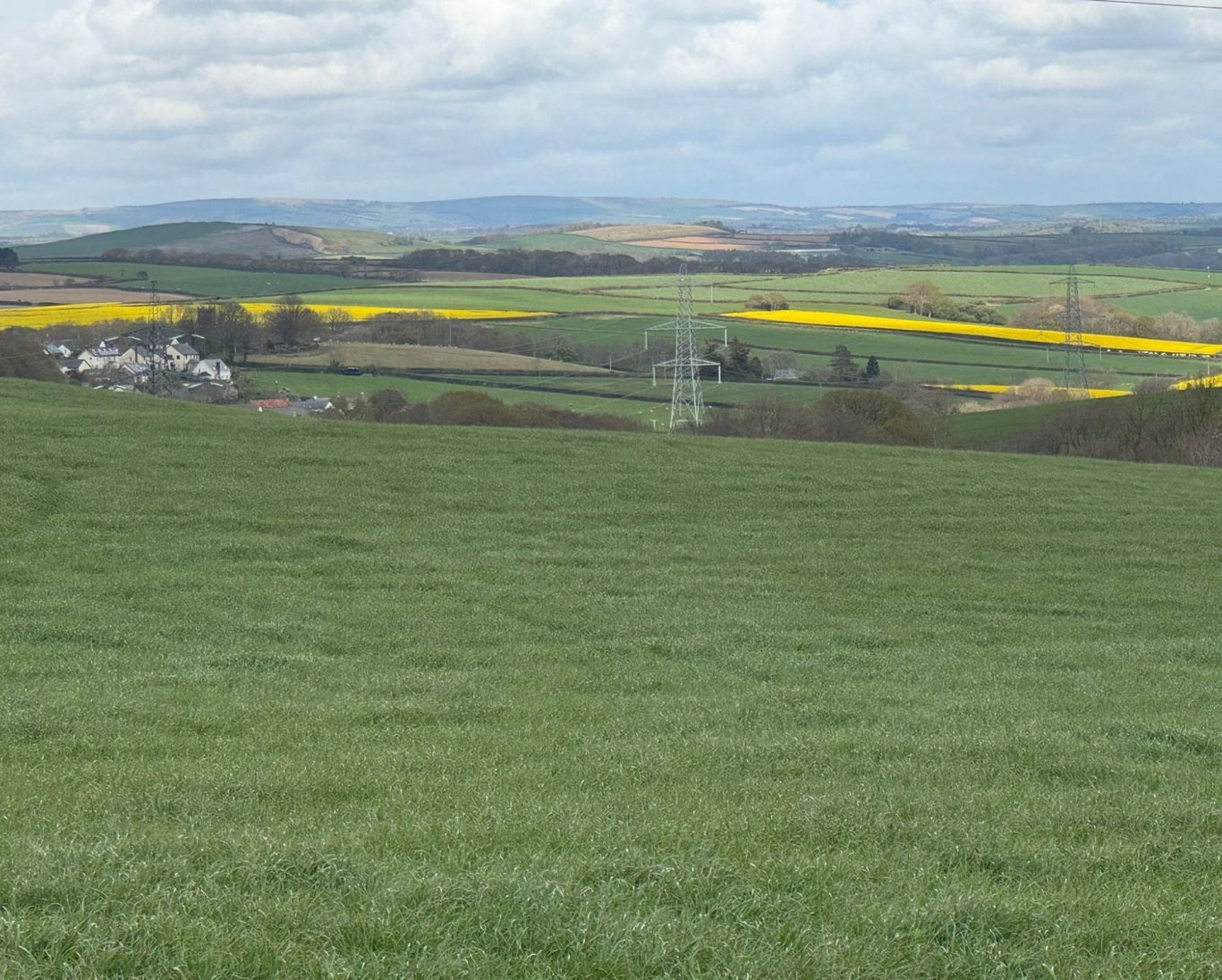
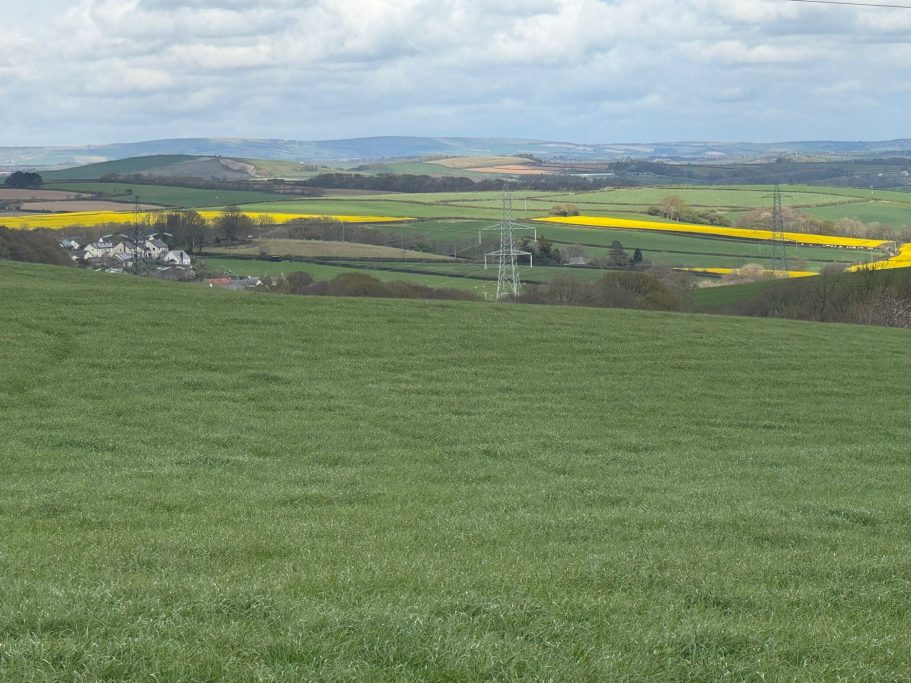
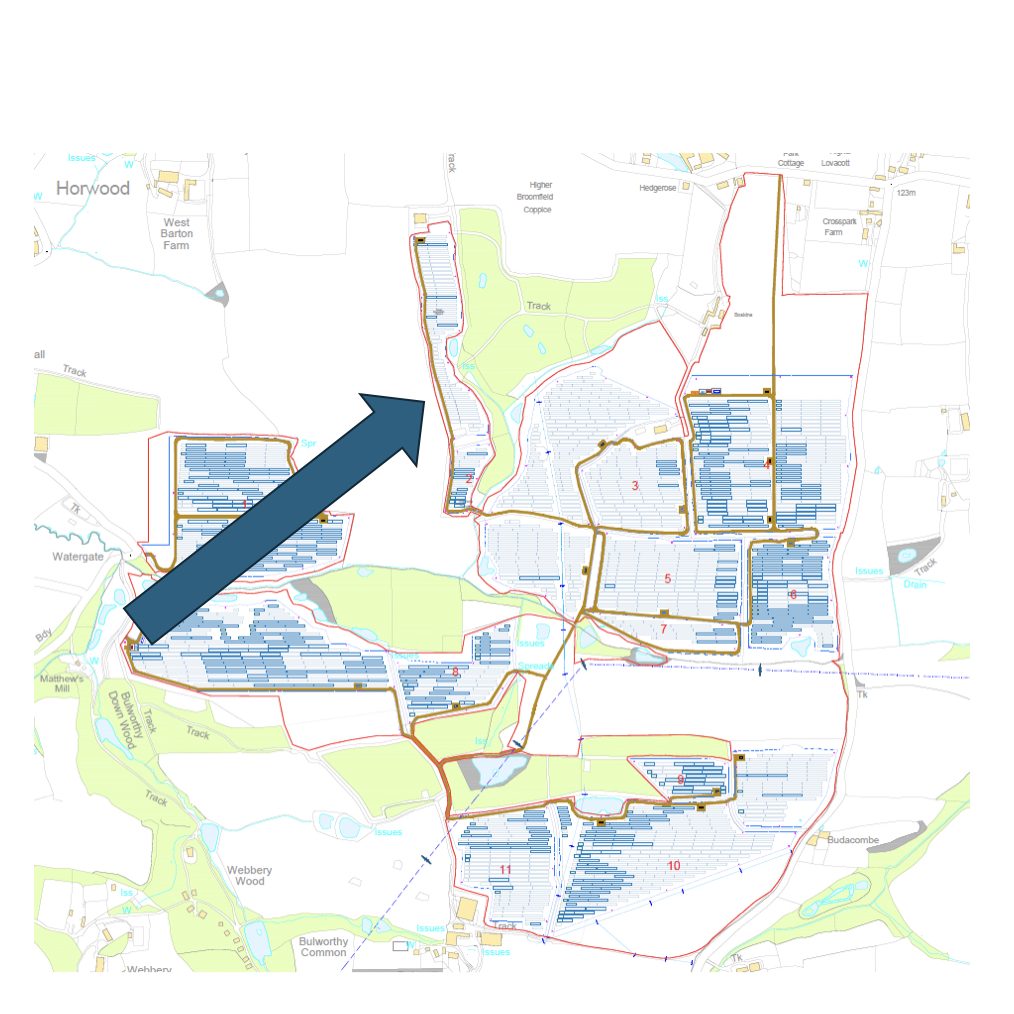
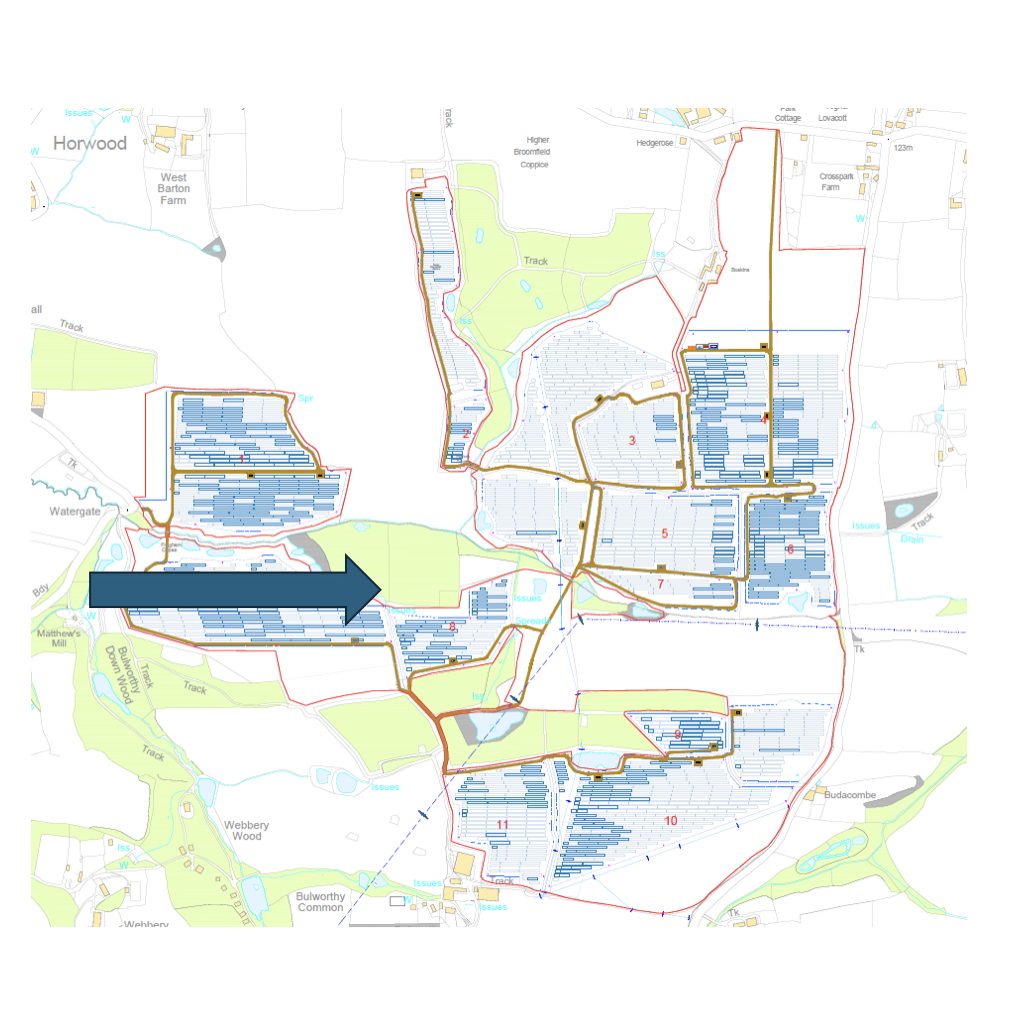
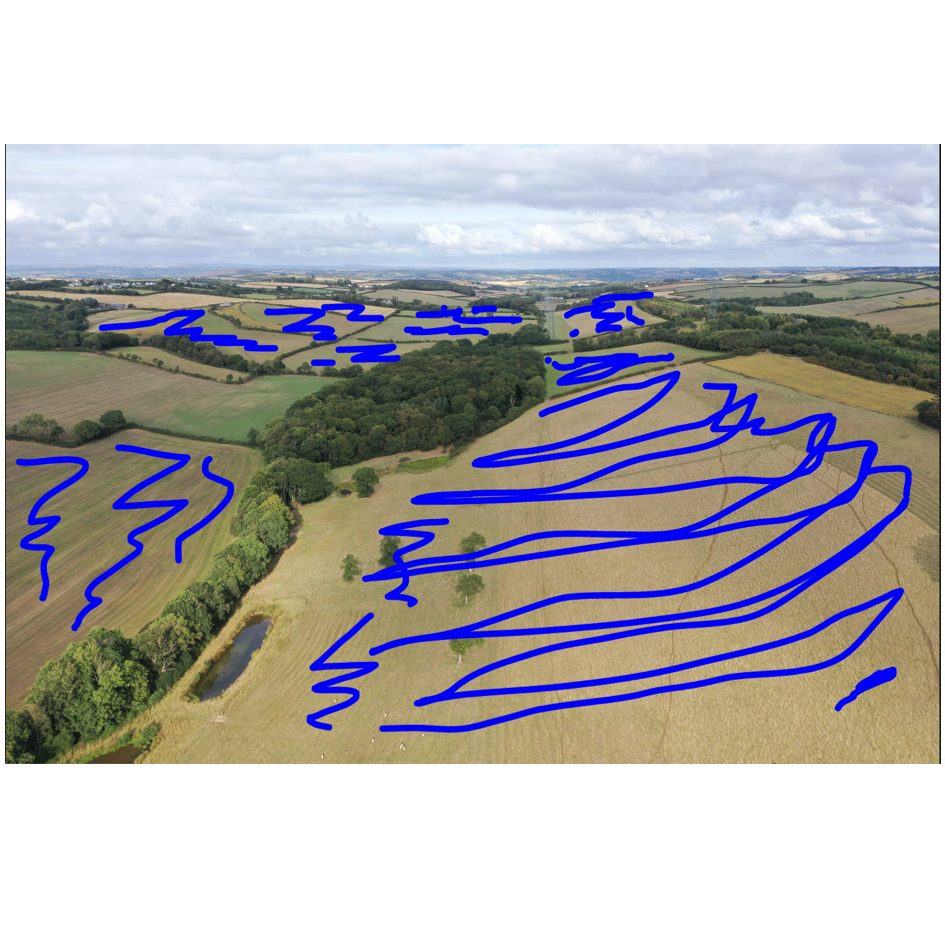
Position images taken from
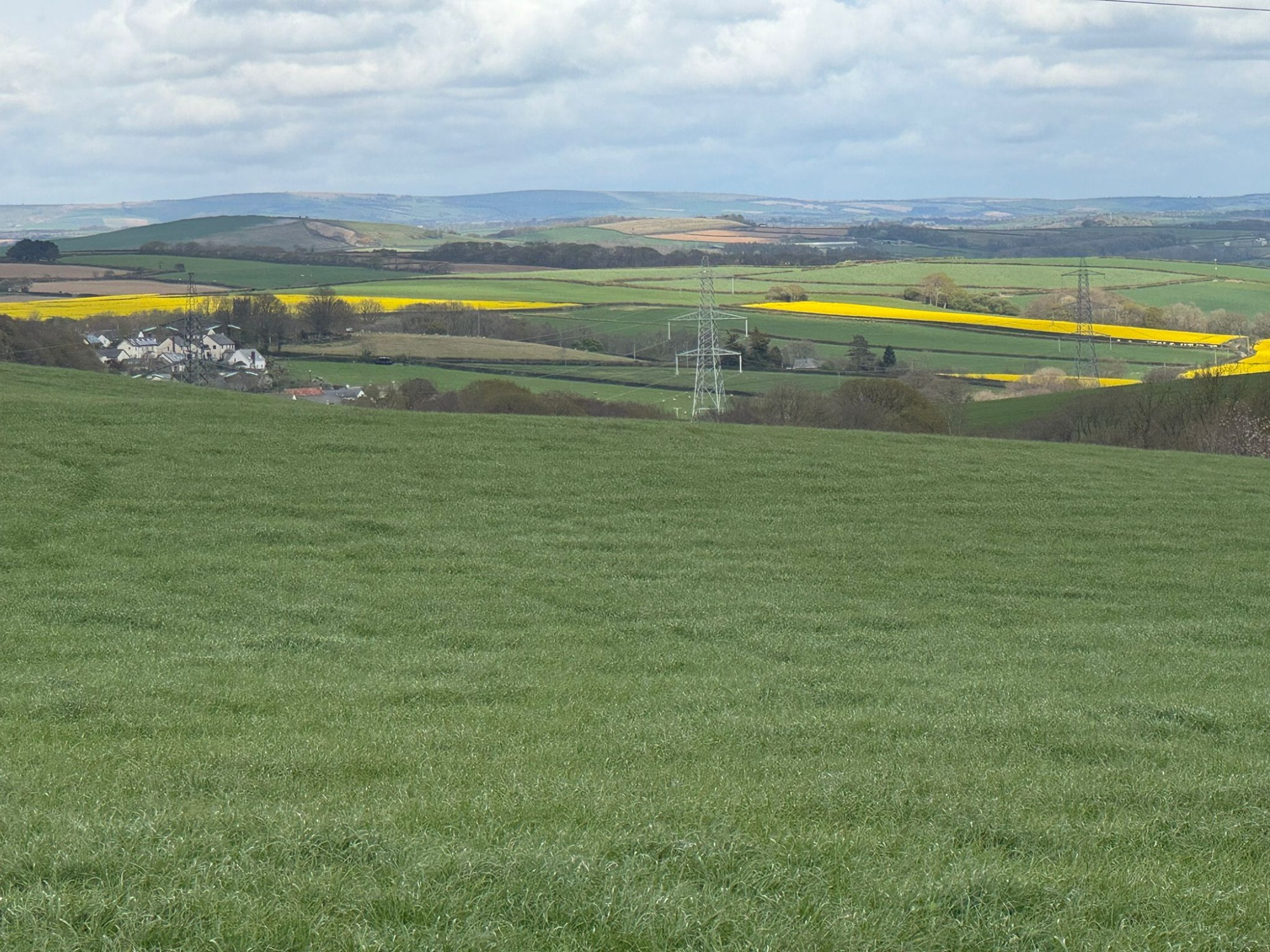
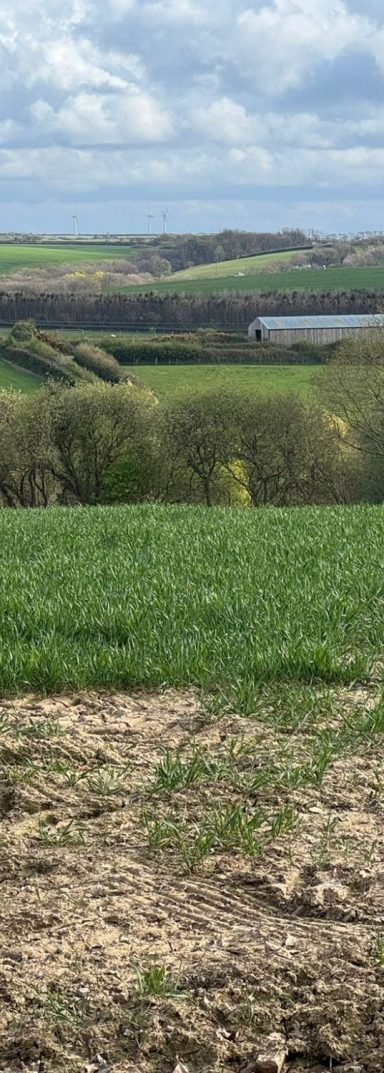
Looking towards Lovacott and Newton Tracey
How it looks now
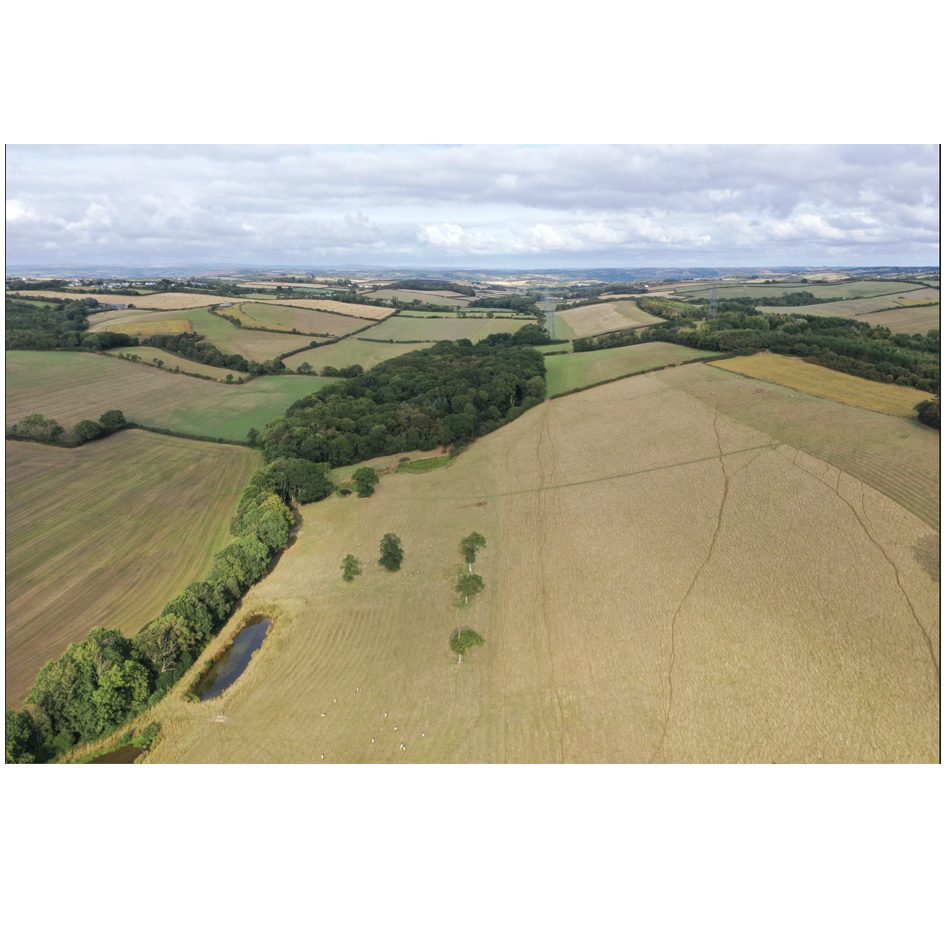
Looking towards Lovacott
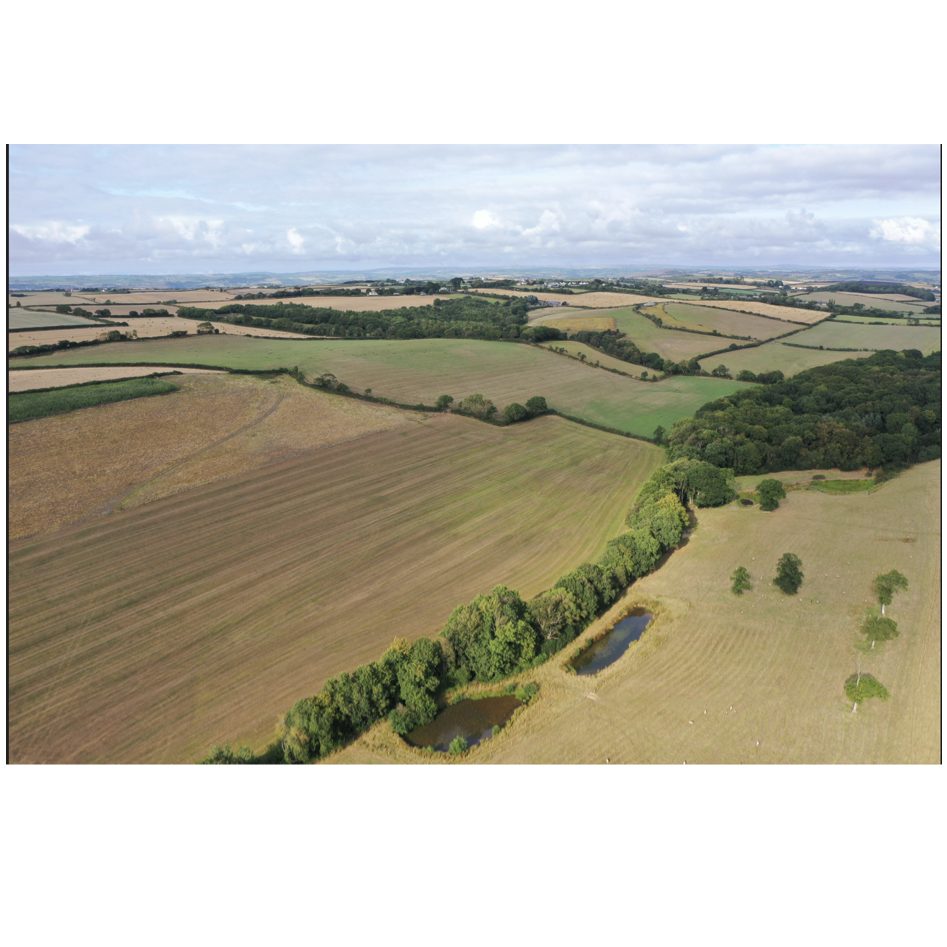
Where the panels are due to be placed
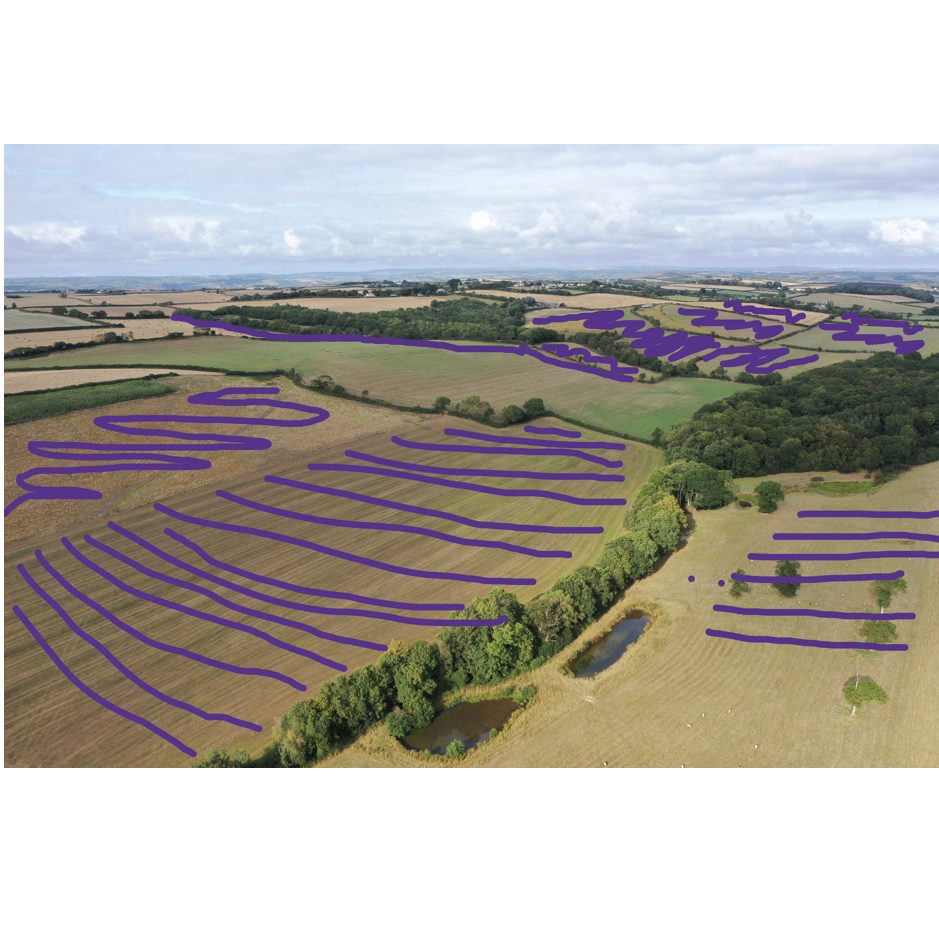
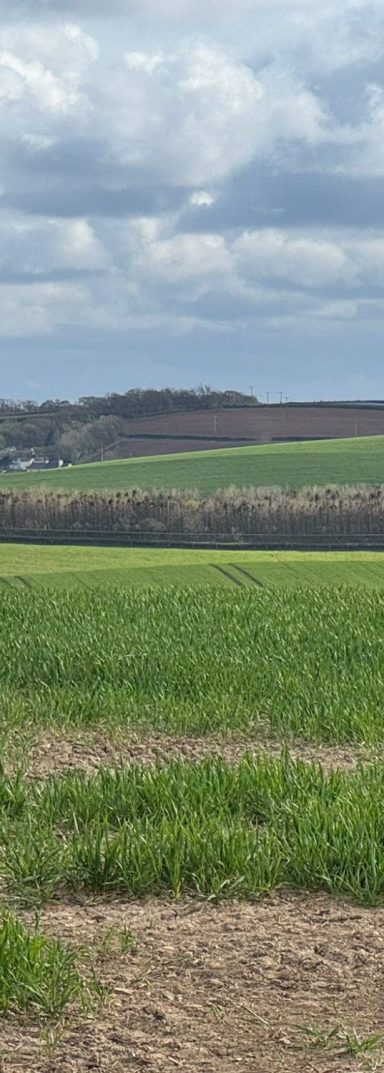
Position images taken from
How it looks now
Where the panels are due to be placed
Loss of Productive Arable Land
There is a view that it is paramount not to allow good quality land to be lost to development, thereby impacting the amount of food grown in the UK, and thus placing an increasing reliance on imported food. Particularly amidst global economic uncertainly; this raises concerns about potential import bans (due to disease etc), increased import tax/tariffs, climate change and increased global carbon emissions due to increased transportation.
The UK Government, UK Food Security Index May 2024 states: although reportedly coming “out of a challenging period of global supply chain shocks”, this should be “seen in the context of longer-term risk for climate change”. The UK “maintains domestic production of all food available in the UK at around 60% of consumption”.
There is serious concern that this figure is dropping significantly as Solar Power Stations decimate our farmland at an alarming rate. This situation is further amplified when considering the growing UK population. There is a view that dependency on other nations’ produce should not be increased.
But arable land is more than food production, its presence and workings are intertwined with daily life – it underpins rural communities, local infrastructure and tourism.
Simple seemingly frivolous activities, such as stopping to chat to farm workers, watching and listening to machinery work the land, getting stuck on the country lanes behind a tractor, ones car being covered in mud or smell of muck spreading, are all part of rural living. One can also tell the Season, by just glancing across the fields, or by observing machinery making its way through our meandering country lanes.
It is quite difficult to comprehend such a transformation across our communities: from rural agricultural villages to industrial grade power stations. From tractors and combine harvesters to utilitarian vehicles and maintenance drones buzzing overhead. Surely this must equate to adverse implications for not only employees within the farming sector, but also for any business related to it?
Loss of Local Wildlife and Biodiversity
Solar Power Stations, such as that being proposed for Bulworthy (and many other local areas), will have a transformational effect on the land, with severe consequences for wildlife and their habitats. Transitory animals have their traditional routes blocked. Deer are often diverted onto roads. Bird and bat deaths are common as they mistake the glass for water. The land is degraded with little potential for biodiversity as half of it will be in permanent shadow and rain water run-off creates set channels without proper dispersal".
Furthermore: “Photovoltaic panels have been shown to reflect polarised light that is attractive to polarotactic aquatic insects, which confuse solar panels with water and attempt to lay eggs on the surface, resulting in mortality and reproductive failure” [Horváth et al., 2010; Blahó et al., 2012].
The perimeter security fencing, will not only be a barrier to the movement of wild mammals and amphibians, but is also thought to be a collision risk for birds. Deer is just one example of transitory wildlife that will lose their traditional routes, which have been available to them for centuries.
Wildlife will be evicted from their territories; however, there is also concern that many could become trapped within the Colditz like prison camp perimeter fencing. This could happen during construction, maintenance and during any emergencies.
The fields are important habitats for a vast number of wildlife species, including deer, skylarks (nesting in open grass/crop areas), bats, badgers, dormice and brown hares, all of which are protected. There is concern that the destruction of their natural habit would severely impact local biodiversity, undermining the ecological integrity of this sensitive landscape. It is noted that wildflower/hedge planting, and bird and bat boxes are further gestures often made, however, there is a view that these offerings go nowhere close to compensating for the loss of good agricultural land which protects our rich and unique biodiversity.
Fire Risks, Storm Damage, Contamination/Pollution & Clean up!
Whilst there is much positive media coverage regarding Green energy and government “net zero” targets, there is little about the darker side of Solar Power Stations.
“Solar panels are exposed to the elements, making them vulnerable to natural hazards like snow, wind, hail and lightning. These harsh conditions don’t just have the potential to damage the solar panels, incurring costs within themselves, but can also cause arc faults and faulty wiring which increases the risk of fire. Strong winds can also cause micro-cracking to the panels, letting in dust and debris and making them less effective at absorbing light and storing energy. Due to the materials of today’s panels and frequent weather damage, they are lasting much less than expected, at around 20 years compared to the expected 40-50 years” [https://www.towergateinsurance.co.uk/insight/the-dark-side-of-solar-panels].
Such weather damage was shown during Storm Darragh in Anglesey (6th December 2024): such destruction could not be uncommon across the North Devon landscape, particularly against a background of greater incidence and ferocity of storms in the UK. The highest wind-speed recorded during Darragh was 83mph [Metoffice].
The alleged recoverability of the land and returning to agriculture is alarming. There is a concern that when panels/equipment are decommissioned the process will result in materials, such as plastic (silicone), metals, glass and hazardous waste from batteries (e.g. lead-acid, cadmium, etc) could make the soil economically unrecoverable; leading to wildlife/biodiversity impacts and sites being declared “brown field”.
Topsoil is removed and cleaning materials can contaminate the soil. There is the possibility of toxic chemicals leaching out from the panels. Lithium-ion battery storage represents a huge fire risk.
The above contamination components should be seriously considered in conjunction with the sloping land and geology of the site. Both elements of which exacerbate water run-off.
Finally, has the full environmental lifecycle, from manufacture to disposal of solar panels, and associated infrastructure (e.g. batteries), been fully assessed? The government debate on 15/05/25 suggests not: "In principle, solar energy is green, but the reality is murkier. The journey of a solar panel, from raw materials to installation, is far from carbon neutral" [Dr Caroline Johnson, MP]. This becomes even more of a concern, if their productive life is actually reduced to around 20 years instead of the suggested 40, thus making it difficult for Solar Power Stations to reach their energy/profit producing potential.
The Development is Not Temporary
It is stated an “...operational lifespan of 40 years would be sought, after this point all elements of the Proposed Development will be removed from Site and the land restored to its original use. This construction of a Solar Power Station will cost millions, and there is a view that it is extremely unlikely that the site will ever be returned to its “original use”. It seems more plausible that the lease will be extended, failing which there is concern that the land could be left as contaminated wastelands, condemned for agricultural use. “It is highly unlikely that the land could return to agriculture in 40 years time”.
Considering the decommissioning process, it is unclear as to whether there are any legal enforceable mechanisms to ensure that Energy companies remove their Solar panels and infrastructure at the end of their lease. It is also unclear as to any responsibilities Landowners may have in this regard.
It is conceivable that such an operation is not as attractive once the profits have been extracted from the site. If the energy company, for what ever reason (e.g. out of business), fails to return the land to its “original use", who will absorb the costs for a rapidly deteriorating wasteland that is no longer safe for farming (let alone much else)? It is not unimaginable that our wildlife and our future generations could be left vast swathes of barren contaminated wasteland.
No Benefit to the Local Community
Noventum Power, financial investors and the landowners will be the winners; it won’t be local residents, wider communities, visitors to the area, wildlife, or tourism/local businesses. The proposed development is an industrial scale Solar Farm and will make Noventum, financial investors and landowners millions over the 40-year lease. The power generated by the solar panels will go straight to the national grid – it is not expected that this will be a cheap source of electricity for people living in the vicinity of the Solar Farm.
The proposed 49.9 MW Solar Farm, BESS and associated ancillary works at Bulworthy will be capable of supplying electricity for approximately 15,000 homes. Despite claims that the Solar Farm would revert to agriculture in 40 years, there are no assurances that the companies will be around, or such a reversion can be enforced.
By contrast, just one wind turbine off the North Devon coast has the capacity to power around 17,000 homes and has one quarter of the carbon footprint of the proposed Solar Power Station. 279 acres of well farmed farm land together with the local climate provides some of the finest quality crops, beef and lamb every year.
The planned White Cross offshore wind turbine capacity off of the North Devon coast will be 100 MW providing enough energy to power over 135,000 households. This begs the question: do we really need to launch such a brutal assault on our countryside, when one additional wind turbine would generate more electrical capacity than the planned Solar Farm ?
There is a view that lack of community benefit should also be considered well into the future. The parliamentary debate [https://www.parallelparliament.co.uk/debate/2025-05-15/commons/commons-chamber/solar-farms, 15/05/25], raised the fact that new technologies are already emerging in relation to Solar – how quickly would any deployed infrastructure become obsolete?
Another concern is the revelation from The Daily Mail: “China has secretly installed Kill Switches in solar panels sold to the West – which could see Beijing plunge its enemies into darkness in the event of WW3” [16/05/25]. There are fears that supplies could be manipulated or grids across the US, UK and Europe “physically” destroyed. The article goes onto state Inverters could be switched off, which could destabilise power grids, damage enemy infrastructure and trigger widespread blackouts.
It is noted that monetary funds are offered to villages as part of Community Energy Projects (e.g. Solar Power Stations), by way of reward/mitigation. It is also noted that gestures such as wildflower planting, hedgerows, orchards, etc, are offered in an attempt to offset impacts. There is a view, however, that such strategies cannot compensate for the arbitrary destruction of our distinctive North Devon countryside, a countryside that should be protected for our wildlife and future generations.